
For years, I thought I was just tired.
Tired in the morning. Tired after lunch. Tired of people. I blamed work, sleep, age — everything except the obvious.
Then a teacher of mine placed her hand a few inches above my stomach during a session, paused, and said quietly: “You’ve been holding your breath here for a very long time.”
She was right. I had been bracing — for years — right in my solar plexus. The center of personal power. The place where we hold the feeling of I have to handle everything myself.
That was the day chakras stopped being an abstract idea for me and became something I could feel.
What Are Chakras?
The word chakra comes from Sanskrit and means “wheel.” In many energy traditions, chakras are described as spinning centers of energy running along the spine, from its base to the crown of the head.
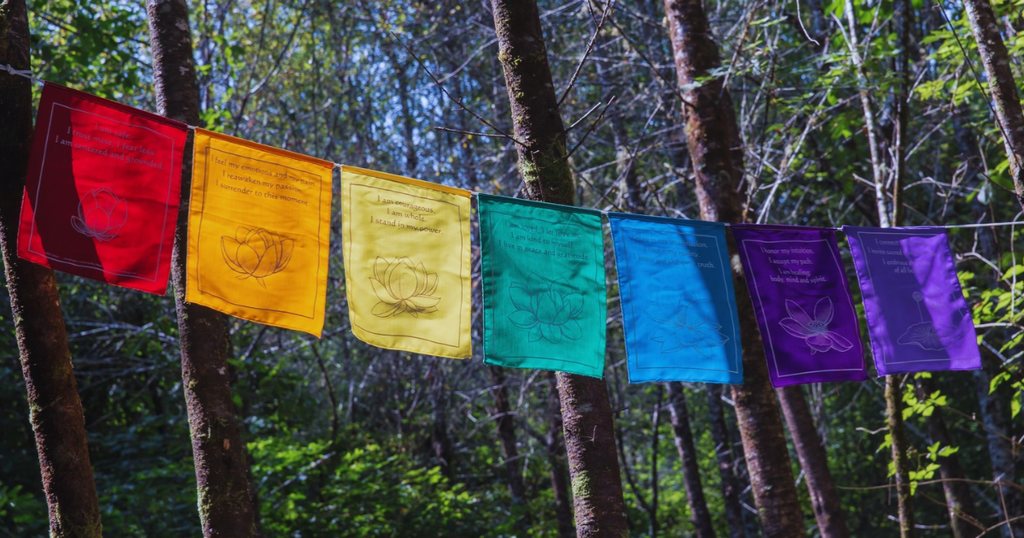
There are seven main chakras. Each is linked with different parts of the body and different areas of life.
When energy flows freely, you tend to feel balanced — grounded, open, clear. When a chakra feels blocked or overactive, life can feel heavy in that area.
You don’t need to believe in any particular system to benefit from this practice. Even as a simple framework for checking in with your body and emotions, it’s remarkably useful.
The 7 Chakras at a Glance
1. Root Chakra (base of the spine) — Red. Safety, grounding, stability. Out of balance: anxiety, feeling unsafe, money worries.
2. Sacral Chakra (lower belly) — Orange. Creativity, pleasure, emotions. Out of balance: feeling numb, uninspired, or emotionally flooded.
3. Solar Plexus Chakra (upper belly) — Yellow. Confidence, willpower, personal power. Out of balance: self-doubt, control issues, burnout.
4. Heart Chakra (center of the chest) — Green. Love, compassion, forgiveness. Out of balance: loneliness, resentment, difficulty receiving.
5. Throat Chakra (throat) — Blue. Expression, truth, communication. Out of balance: holding back what you need to say.
6. Third Eye Chakra (between the brows) — Indigo. Intuition, clarity, insight. Out of balance: confusion, overthinking, feeling disconnected from your inner voice.
7. Crown Chakra (top of the head) — Violet or white. Spiritual connection, meaning, peace. Out of balance: feeling lost, isolated, or without purpose.
Why Chakras Get Out of Balance
Life happens.
Stress, grief, conflict, illness, poor sleep, too many screens — all of it leaves an imprint on your energy. The body tightens around what it can’t process, and certain areas start to feel heavy or shut down.
Here’s the reframe I want to offer: an unbalanced chakra is not a flaw. It’s a sign that part of you has been working very hard to protect you.
Balancing isn’t about forcing. It’s about giving that part permission to rest.
A Simple 10-Minute Chakra Balancing Practice
Do this in the morning or before bed. All you need is a quiet place to sit or lie down.
Step 1: Settle (1 minute). Sit or lie comfortably. Close your eyes. Take three slow breaths, letting each exhale be longer than the inhale.
Step 2: Ground the root (1 minute). Bring attention to the base of your spine. Imagine a warm red light there, like roots growing into the earth. Silently say: I am safe.
Step 3: Move upward, one chakra at a time (7 minutes). Spend about a minute with each of the next six chakras. At each one, picture its color glowing softly, breathe into that area, and silently repeat its affirmation:
- Sacral (orange): I allow myself to feel.
- Solar plexus (yellow): I am strong and capable.
- Heart (green): I give and receive love freely.
- Throat (blue): I speak my truth with kindness.
- Third eye (indigo): I trust my inner wisdom.
- Crown (violet/white): I am connected and supported.
Step 4: Seal (1 minute). Imagine all seven colors joining into one column of white light running through your body. Place your hands on your heart and take one last deep breath.
Notice how you feel. Lighter? Calmer? More present? Even small shifts count.
Tips to Support Your Chakras Through the Day
- Walk barefoot on grass or sand to support grounding.
- Hum or sing to open the throat.
- Drink water and eat real, nourishing food — the body is the foundation of the whole system.
- Spend a few minutes in sunlight each morning.
- Notice where you tense up during stress — that’s information, not failure.
How Long Before You Feel a Difference?
Some people feel calmer after the very first session. Others need a week or two of daily practice before they notice a shift.
Both are normal.
What I encourage is consistency over intensity. Ten minutes every day will do far more than an hour once a month. Keep a few notes about how you feel before and after — energy, mood, sleep, tension. Over time, patterns become obvious.
And if one chakra keeps calling for attention, listen. That’s often where your body is asking for the most care.
When You Need More Than a Daily Practice
Daily balancing is powerful. But long-held patterns sometimes need deeper support.
In my distant sessions, I work through the whole energy field — including the chakras and the aura — to help release what’s stuck and restore a steadier flow. If you’d like that kind of support, you can book a personalized session through my Etsy shop, Holistic Art Studio.
My solar plexus still tightens when life gets loud.
The difference now is that I notice — and I know how to let it breathe again.
This article is for general wellness and spiritual reflection. Energy healing, Reiki, and the practices described here are complementary and are not a substitute for professional medical or mental health care. As an Amazon Associate, gregsenecki.com earns from qualifying purchases.